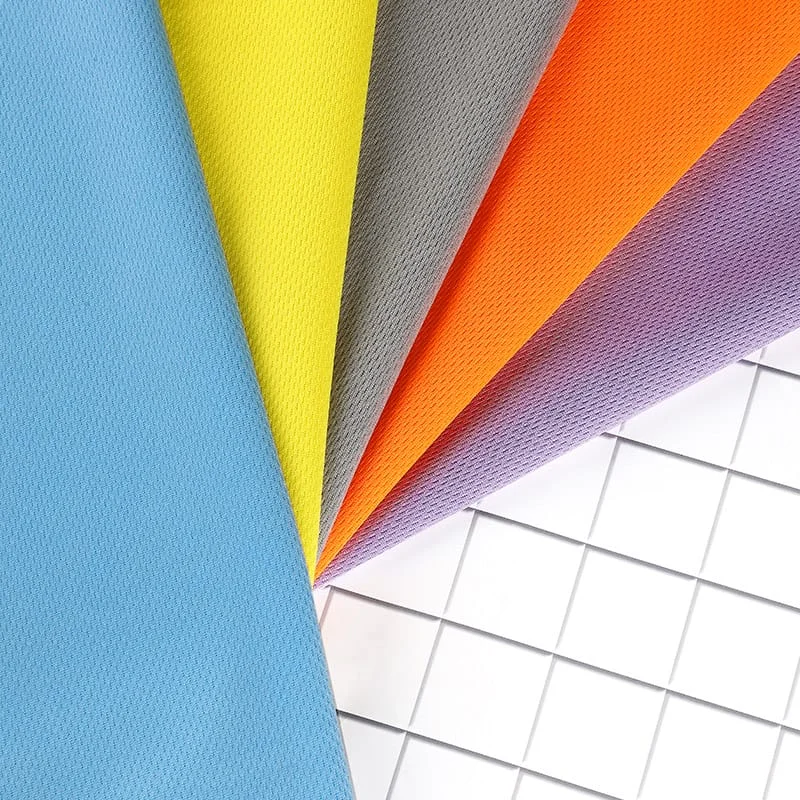
Polyamide Fabric: Properties & B2B Sourcing
In the competitive landscape of textile sourcing and garment manufacturing, understanding the nuances of synthetic fibers is crucial for producing high-quality apparel. Among the most versatile and premium options available to modern fashion brands is polyamide fabric. Often recognized by its most famous trade name, Nylon, polyamide represents a family of synthetic polymers known for their exceptional durability, elasticity, and distinctly soft hand feel. For B2B buyers, sourcing managers, and fashion designers, distinguishing between generic synthetics and high-grade polyamide can determine the success of a swimwear line, a yoga collection, or high-performance activewear.
As consumer demand shifts towards garments that offer both longevity and luxurious comfort, polyamide fabric has solidified its position as a superior alternative to basic polyester in many applications. It is the backbone of the intimate apparel, hosiery, and performance sports sectors. However, sourcing the right blend and weight requires technical insight. At Huada Creation Group, we understand that fabric selection is not just about raw material; it is about how that material performs under stress, how it accepts dye, and how it feels against the skin. Whether you are exploring options for high-performance spandex blends or durable mesh structures, understanding the intrinsic properties of polyamide is the first step toward textile innovation.
What is Polyamide Fabric?
Polyamide fabric is a general term used to describe textiles made from strings of polyamide monomers. It is a completely synthetic material, derived primarily from petroleum-based plastics. While 'polyamide' is the chemical designation, the world knows it best as Nylon. Invented in the 1930s as a synthetic replacement for silk, it revolutionized the textile industry due to its incredible strength-to-weight ratio.
Technically, the production involves a chemical reaction (polymerization) between diamine and dicarboxylic acid, resulting in a material that can be melted and spun into fibers. These fibers are then woven or knitted into fabrics. Unlike semi-synthetic fibers like rayon or natural fibers like cotton, polyamide is entirely man-made, allowing manufacturers to engineer specific traits directly into the fiber, such as moisture-wicking capabilities, thermal insulation, or extreme elasticity.
There are various types of polyamides used in textiles, with Nylon 6 and Nylon 6.6 being the most prevalent in the fashion industry. Nylon 6 is known for its lustrous finish and ease of dyeing, while Nylon 6.6 offers superior heat resistance and structural integrity, making it ideal for industrial and high-performance applications.
Key Properties of Polyamide Fabric
Why do premium brands often prefer polyamide fabric over other synthetics? The answer lies in its unique combination of physical properties that cater specifically to comfort and durability.
1. Exceptional Durability and Abrasion Resistance: Polyamide is arguably the strongest of all textile fibers. It resists wear and tear, making it the perfect candidate for high-friction areas in garments, such as the knees of leggings or the straps of backpacks. This longevity ensures that garments retain their shape and surface integrity even after repeated use.
2. Superior Elasticity and Recovery: When blended with elastane (Spandex), polyamide offers incredible stretch and recovery. This is vital for form-fitting garments like our HD8193 - High-Performance Spandex Fabric. The fabric stretches with the body's movement and snaps back to its original shape without sagging, a critical requirement for yoga wear and compression gear.
3. Soft, Silk-Like Hand Feel: One of the main distinctors of polyamide is its texture. It is naturally softer and smoother than polyester. This 'cool-to-the-touch' sensation makes it highly desirable for intimate apparel, lingerie, and premium activewear where skin comfort is paramount.
4. Moisture Management: While polyamide absorbs slightly more water than polyester, it is still hydrophobic compared to cotton. It wicks moisture away from the body efficiently and dries quickly, making it suitable for swimwear and gym gear.
5. Resistance to Fungi and Mildew: As a synthetic material, polyamide is naturally resistant to biological attacks from mold, mildew, and insects, extending the shelf life of the garment.
Polyamide vs. Polyester: What's the Difference?
For B2B buyers, the choice often comes down to Polyamide versus Polyester. Both are polymer-based synthetics, but they serve different market segments.
Cost: Polyester is generally more cost-effective to produce and source. Polyamide is more energy-intensive to manufacture, making it a more expensive, premium raw material. Brands targeting the luxury or mid-to-high-end activewear market typically lean towards polyamide.
Feel: This is the most noticeable difference. Polyester can sometimes feel 'plastic-like' or rougher, although technologies like our HD8067 - Cotton-Like Pique Fabric have bridged this gap significantly. However, raw polyamide naturally mimics the drape and feel of silk, offering a more luxurious tactile experience immediately.
Durability vs. Pilling: Polyamide is stronger and more abrasion-resistant. However, because of its strength, it can sometimes be prone to pilling if not finished correctly, as the strong fibers hold onto the pills rather than shedding them. Polyester resists pilling slightly better but doesn't match the tensile strength of nylon.
Dyeability: Polyamide acts somewhat like wool in dyeing processes; it is hydrophilic enough to accept acid dyes, resulting in rich, deep, and vibrant colors. Polyester requires disperse dyes and high heat, which can sometimes limit color depth compared to nylon's vibrancy.
Common Uses and Applications
Due to its versatility, polyamide fabric is ubiquitous in several high-value apparel sectors.
Swimwear and Beachwear: Polyamide is the gold standard for swimwear. Its resistance to oils and soft feel against bare skin makes it superior to polyester for bikinis and trunks. When treated for chlorine resistance, it offers the perfect balance of stretch and durability.
Activewear and Yoga Pants: The high stretch capabilities of polyamide make it the fabric of choice for yoga leggings and sports bras. It supports the muscles while allowing a full range of motion. Fabrics similar to our HD8193 are staples in this category.
Lingerie and Hosiery: The silk-like texture is non-negotiable in the intimate apparel market. Polyamide provides the delicacy required for lace and sheer hosiery while maintaining the strength to prevent runs and tears.
Outerwear and Weatherproof Gear: Tightly woven polyamide is wind-resistant and water-resistant. It is frequently used in windbreakers, winter coats, and protective shells.
Performance Mesh Linings: In sportswear, breathability is key. Polyamide mesh, similar in function to our HD6850 - Polyester Spandex Eyelet Mesh (though often heavier in nylon versions), provides ventilation without sacrificing durability.
Blends and Variations
Raw polyamide is rarely used alone in modern apparel; it is almost always blended or treated to enhance performance. The most common blend is Polyamide/Elastane (Spandex/Lycra). A typical ratio for high-quality leggings might be 80% Polyamide and 20% Elastane. This combination utilizes the strength of nylon and the stretch of elastane.
Knitting Structures:
- Jersey Knit: The standard for t-shirts and leggings, offering a smooth face and a textured back.
- Rib Knit: Offers high lateral stretch, used in cuffs and form-fitting tops.
- Interlock: A double-knit construction that is thicker and more stable.
- Mesh and Eyelet: Created for ventilation. While our HD8001 - Bird's Eye Mesh Fabric utilizes polyester for cost-efficiency and moisture transport, polyamide mesh is used where higher abrasion resistance is needed.
Advanced manufacturing also involves texturizing the yarn to change the hand feel. For example, air-jet texturing can make synthetic fibers feel more like natural cotton, a technique we excel at with products like HD7887 - Cotton-Like Fish Scale Knit and HD8008 - Cotton-Like Waffle Knit.
Quality Control Tips for Buyers
When sourcing polyamide fabric wholesale, quality control is paramount. Here are the metrics buyers must evaluate:
1. GSM (Grams per Square Meter): Ensure the weight matches the application. Swimwear usually requires 180-220 GSM, while compression leggings may need 250-300 GSM for opacity and support.
2. The 'Grin' Test: Stretch the fabric against a light source. If the fabric becomes transparent or the elastane glints excessively (grinning), the knitting gauge may be too loose, or the quality of the blend is poor.
3. Color Fastness: Polyamide dyes beautifully, but it must be set correctly. Request lab dips and test for crocking (color rubbing off) and wash fastness, especially for contrasting color block designs.
4. Hand Feel: Always request physical swatches. The primary selling point of polyamide is its softness. If it feels scratchy, it is likely a lower-grade nylon 6 or has not been finished properly.
Our Expertise at Huada Creation Group
At Huada Creation Group, we bridge the gap between technical innovation and fashion-forward aesthetics. While we offer a vast range of high-performance synthetics, our expertise lies in understanding exactly what the end-consumer needs—whether that is the rugged durability of a Great Wall Grid Pattern (HD7901) or the cozy, soft touch of Terry Cloth Fleece (HD7916).
We specialize in advanced knitting technologies that replicate the comfort of natural fibers with the performance of synthetics. Our 'Cotton-Like' series, including the HD8067 Pique and HD8008 Waffle Knit, allows brands to offer the aesthetic of cotton with the moisture-wicking and durability benefits of advanced polymers.
Whether you are sourcing for a boutique swimwear line requiring premium stretch or a large-scale activewear drop needing consistent Jersey or Rib Fabric, Huada Creation Group provides the consistency, scalability, and quality assurance required in the modern B2B textile market.
Conclusion
Polyamide fabric remains a cornerstone of the textile industry, offering an unmatched blend of luxury, durability, and performance. For fashion brands, choosing between polyamide and other synthetics is a strategic decision that impacts pricing, market positioning, and customer satisfaction. By understanding the unique properties of this material—from its high abrasion resistance to its silk-like drape—buyers can make informed sourcing decisions that elevate their product lines. Partnering with experienced suppliers like Huada Creation Group ensures access to cutting-edge fabric technologies, from high-performance spandex blends to innovative textured knits, helping your brand stay ahead in the competitive global apparel market.
Frequently Asked Questions
Is polyamide fabric the same as nylon?
Yes, for all intents and purposes in the textile industry. Polyamide is the chemical name for the polymer, while Nylon is the common trade name. While there are other polyamides (like Kevlar), in the context of fashion and apparel, the terms are used interchangeably.
Is polyamide fabric breathable suitable for summer?
Polyamide is generally breathable, especially when knitted into lightweight structures or mesh. However, it is not as naturally breathable as cotton or linen. To compensate, modern polyamide fabrics are often engineered with moisture-wicking finishes to keep the wearer cool, making them suitable for summer activewear.
Does polyamide fabric shrink when washed?
Polyamide is very stable and resistant to shrinkage compared to natural fibers like cotton. However, high heat can damage the fibers. It is always recommended to wash in cool water and air dry or tumble dry on low to maintain the fabric's integrity and elasticity.
What is better for swimwear: polyamide or polyester?
Polyamide is generally considered better for premium swimwear due to its softer feel and superior stretch. However, Polyester (specifically PBT blends) has better resistance to chlorine over very long periods. Most high-end fashion swimwear brands choose polyamide for the luxury feel, while competitive training suits often use polyester for maximum chlorine life.
Is polyamide fabric waterproof?
On its own, polyamide is water-resistant (hydrophobic) and dries quickly, but it is not fully waterproof. To become waterproof, it must be tightly woven and coated with a DWR (Durable Water Repellent) finish or laminated with a waterproof membrane, which is common in outdoor gear.